Category: Criminal Law

  • The Question Everyone Asks After an FIR Is Filed

    The Question Everyone Asks After an FIR Is Filed

    “Is this bailable?” It’s usually the very first question people ask their lawyer once an FIR gets registered — often before they even understand what they’re accused of. Understanding the bailable vs non-bailable offence distinction genuinely changes how you approach the entire case, from strategy to expectations.

    The Basic Difference

    Quick Answer: In a bailable offence, bail is a matter of right — the police or court must grant it if requested, often on furnishing a bond. In a non-bailable offence, bail is a matter of judicial discretion, granted by a court only after considering factors like the severity of the crime and risk of the accused fleeing or tampering with evidence.

    That single word — “right” versus “discretion” — changes everything about how the process unfolds.

    Bailable Offences: What You Need to Know

    These are generally less serious offences. Examples include:

    • Simple hurt (Section 323 IPC / equivalent under BNS)
    • Defamation
    • Public nuisance
    • Cheque bounce cases in certain circumstances

    For bailable offences, even the police officer at the station can grant bail — you don’t necessarily need to go to court at all. It’s usually just a matter of furnishing a personal bond or surety.

    Non-Bailable Offences: A Different Ballgame

    These involve more serious crimes — think murder, rape, dacoity, or large-scale financial fraud. Here, bail isn’t automatic. You (or your lawyer) need to formally apply before a Magistrate or Sessions Court, and the judge decides based on the facts.

    I’ve noticed people sometimes assume “non-bailable” means “no bail ever” — that’s simply not true. It just means bail isn’t a right; it has to be argued for and granted at the court’s discretion.

    How Courts Decide Bail in Non-Bailable Cases

    Judges typically weigh:

    1. Nature and gravity of the offence
    2. Evidence available against the accused at that stage
    3. Possibility of the accused fleeing from trial
    4. Risk of tampering with evidence or influencing witnesses
    5. Criminal antecedents of the accused, if any
    6. Health, age, and personal circumstances of the accused

    Table: Bailable vs Non-Bailable at a Glance

    AspectBailable OffenceNon-Bailable Offence
    Bail as right or discretionRightDiscretion of court
    Who can grant bailPolice officer or courtOnly court (Magistrate/Sessions/HC)
    Typical examplesSimple hurt, defamationMurder, rape, large-scale fraud
    Complexity of processSimple, often quickRequires formal application and hearing

    Can Non-Bailable Offences Still Get Bail Quickly?

    Yes, and this is where the bailable vs non-bailable offence distinction gets a bit more nuanced. Depending on the specific facts — weak evidence, procedural lapses by police, or genuine grounds — courts do grant bail in non-bailable cases too, sometimes within days. It’s simply not automatic the way it is for bailable offences.

    A relative of mine was once falsely implicated in a cheating case (non-bailable) over a business dispute — with proper documentation showing the transaction was genuine, bail came through within a week. So “non-bailable” isn’t a life sentence of denial; it just means you need to make your case.

    Cognizable vs Bailable — Don’t Confuse These Terms

    A common mix-up: “cognizable” refers to whether police can arrest without a warrant, while “bailable” refers to whether bail is a right or discretion. An offence can be cognizable AND bailable, or non-cognizable AND non-bailable — they’re independent classifications, not the same axis.

    [link to related guide on the anticipatory bail process in India here]

    FAQ

    Q1. Can police grant bail directly in bailable offences? Yes, in bailable offences, the police officer at the station can grant bail without needing a court order.

    Q2. Is bail guaranteed in non-bailable offences? No, it’s at the discretion of the court, based on factors like severity of the offence and risk factors.

    Q3. What are some common examples of non-bailable offences? Murder, rape, kidnapping, dacoity, and large-scale financial fraud are typical non-bailable offences.

    Q4. Can a non-bailable offence still result in bail within a few days? Yes, depending on the evidence and circumstances, courts can and do grant bail quickly even in non-bailable cases.

    Q5. Is cognizable the same as non-bailable? No, these are separate classifications — cognizable relates to arrest without warrant, bailable relates to the right to bail.

    Q6. Do I need a lawyer to apply for bail in a bailable offence? Not strictly necessary since it’s often a straightforward process, but legal guidance helps avoid procedural delays.

    Conclusion

    Knowing the bailable vs non-bailable offence difference isn’t just legal trivia — it directly shapes what you should expect and how quickly you (or a loved one) might get relief after an FIR. If you’re ever in this situation, don’t panic at the word “non-bailable” — it simply means the fight for bail happens in court rather than at the police station. [link to related article on how to file an FIR in India here]
  • When You Fear Arrest Before It Even Happens

    When You Fear Arrest Before It Even Happens

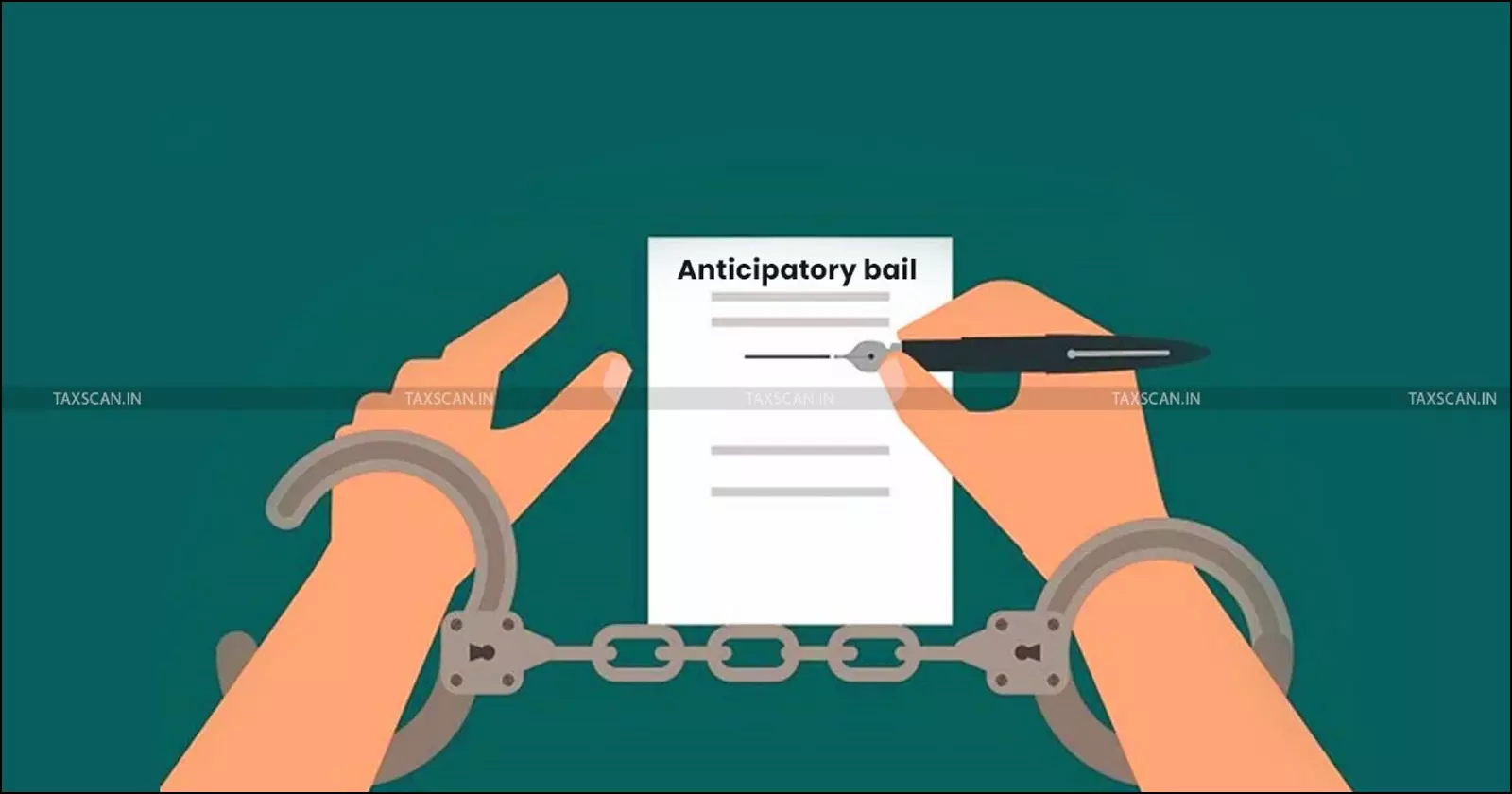
    There’s a particular kind of anxiety that comes with knowing an FIR might be filed against you — or already has been — and you don’t know if the police will show up at your door tomorrow. That’s exactly the situation the anticipatory bail process in India is designed for.

    I’ve seen this scenario play out in family property disputes more than anywhere else — someone files a false or exaggerated complaint, and the other side panics without realizing there’s a legal remedy specifically built for this.

    What Is Anticipatory Bail?

    Quick Answer: Anticipatory bail is a pre-arrest legal protection under Section 438 CrPC (now Section 482 of BNSS) that allows a person who apprehends arrest for a non-bailable offence to seek bail in advance from the Sessions Court or High Court, preventing immediate detention if arrested.

    Essentially, it flips the usual bail process — instead of getting arrested first and applying for bail after, you secure protection before arrest even happens.

    When Should You File for Anticipatory Bail?

    You don’t need to wait for an actual FIR in every case — genuine apprehension of arrest based on credible information is enough. Common triggers include:

    • You’ve received a police notice or summons in a case
    • A complaint has been filed against you and you fear implication
    • You’ve heard through reliable sources that an FIR is being registered
    • A co-accused has been arrested and you fear you’re next

    Step-by-Step Anticipatory Bail Process

    1. Consult a criminal lawyer immediately — timing matters enormously here
    2. Draft the application clearly stating why you apprehend arrest, along with case facts
    3. File before the Sessions Court first (High Court is usually approached only if Sessions Court rejects it, or in urgent/serious cases directly)
    4. Court issues notice to the Public Prosecutor and Investigating Officer
    5. Hearing takes place — the court examines the nature of accusation, your antecedents, and possibility of you fleeing or tampering with evidence
    6. Bail granted or rejected, often with conditions like cooperating with investigation, not leaving the country, or joining questioning as required

    Factors Courts Actually Consider

    Judges don’t grant this automatically — they weigh several things:

    • Nature and seriousness of the accusation
    • Your criminal history/antecedents, if any
    • Likelihood of you fleeing from justice
    • Whether the accusation seems designed to humiliate or injure you through arrest
    • Possibility of tampering with evidence or influencing witnesses

    Has this ever happened to you or someone you know — a dispute escalating to the point where “anticipatory bail” suddenly becomes a term you’re googling at midnight? It’s more common than people admit.

    Conditions Typically Attached

    Courts usually impose conditions along with anticipatory bail, such as:

    • Making yourself available for interrogation as and when required
    • Not leaving India without court permission
    • Not directly or indirectly influencing witnesses or tampering with evidence
    • Surrendering passport in certain cases

    Anticipatory Bail Rejection — What Then?

    If the Sessions Court rejects your application, you can approach the High Court. If even that fails, and arrest happens, you’d then need to apply for regular bail post-arrest — a different, generally longer process.

    The anticipatory bail process does have limits too — courts are typically reluctant to grant it in extremely serious offences like certain economic offences of large magnitude, or cases involving grave bodily harm, though it’s not an absolute bar.

    Realistic Timeline and Costs

    StageApproximate Timeline
    Filing application1-2 days (drafting + filing)
    Sessions Court hearing1-3 weeks depending on court backlog
    High Court (if needed)2-6 weeks additional
    Lawyer feesVaries widely — ₹15,000 to ₹1,00,000+ depending on seriousness and city

    [link to related guide on bailable vs non-bailable offences here]

    FAQ

    Q1. Can anticipatory bail be filed before an FIR is registered? Yes, if you have genuine and reasonable apprehension of arrest, you don’t need to wait for an FIR to be formally filed.

    Q2. Is anticipatory bail available for all offences? No, it’s generally sought for non-bailable offences; courts may be more cautious in very serious offences but it’s not automatically barred.

    Q3. What’s the difference between anticipatory bail and regular bail? Anticipatory bail is sought before arrest to prevent detention; regular bail is applied for after arrest has already occurred.

    Q4. Can anticipatory bail be cancelled later? Yes, if the person violates conditions or if new facts emerge showing misuse of the bail, courts can cancel it.

    Q5. Do I need to appear in court personally for anticipatory bail? Generally yes, though in some situations, especially at initial stages, your lawyer may represent you with proper authorization.

    Q6. How long does anticipatory bail protection last? It can be time-bound or continue until the case is disposed of, depending on how the court frames the order.

    Conclusion

    If you genuinely fear arrest based on credible grounds, don’t sit on it hoping the situation resolves itself — the anticipatory bail process exists precisely for this window of uncertainty. Acting early, with proper legal representation, dramatically improves your chances compared to waiting until police are already at your door. [link to related article on how to file a criminal complaint in India here]