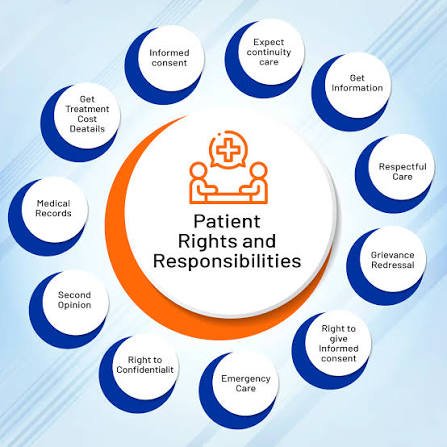
Most patients walk into a hospital and simply sign whatever form is put in front of them, assuming that’s just “procedure.” It genuinely isn’t just procedure — patient rights in India, particularly around informed consent, are legally enforceable, and violating them can expose hospitals and doctors to serious liability.
What Is Informed Consent, Legally Speaking?
Quick Answer: Informed consent means a patient must be given clear, understandable information about a proposed treatment or procedure — including risks, alternatives, and expected outcomes — before agreeing to it. Consent obtained without adequate disclosure is not considered valid, and treatment proceeding without proper consent can amount to medical negligence or even assault under law.
Key Elements That Make Consent “Informed”
For consent to genuinely hold up legally, it needs to include:
- Diagnosis — what condition is being treated
- Nature of proposed treatment/procedure — what exactly will happen
- Material risks involved — including rare but serious complications
- Alternative treatment options, if any exist
- Consequences of refusing treatment
A signature on a consent form without this information genuinely being communicated doesn’t count as valid informed consent — courts have struck down “consent” obtained through vague, boilerplate forms.
The Landmark Case Everyone Cites
Samira Kohli v. Dr. Prabha Manchanda (2008) is the case most Indian medical negligence lawyers reference. The Supreme Court held that consent for one procedure cannot be extended to justify an entirely different procedure performed without separate consent — even if done during the same surgery, and even if the doctor believed it was medically necessary.
This case genuinely reshaped how hospitals draft consent forms across India.
Other Core Patient Rights You Should Know
- Right to access medical records — patients (or their representatives) can request copies of their own treatment records
- Right to a second opinion — no hospital can legally prevent this
- Right to privacy and confidentiality of medical information
- Right to be informed of costs before undergoing treatment or procedures
- Right to refuse treatment, except in specific emergency situations where the patient cannot communicate consent
When Can Consent Be Bypassed?
There are limited genuine exceptions — primarily medical emergencies where the patient is unconscious or unable to communicate, and immediate treatment is necessary to save life. Even then, doctors are expected to inform family members as soon as reasonably possible and document the emergency justification clearly.
What to Do If Your Rights Were Violated
- Request complete medical records in writing immediately
- File a complaint with the hospital’s grievance cell first
- Approach the State Medical Council for disciplinary action against the doctor
- File a consumer complaint for compensation if harm resulted
- Consult a medical negligence lawyer if the violation caused serious injury
Picture a patient going in for a minor surgery, only to discover afterward that doctors performed an additional, more invasive procedure “while they were already in there” — without separate consent. That’s a textbook informed consent violation, and it’s actionable under law, not just something to accept quietly.
[link to related guide on filing a medical negligence case here]
FAQ
Q1. Is a signed consent form always legally valid? Not necessarily — if the patient wasn’t genuinely informed of risks and alternatives, the consent can be challenged as invalid.
Q2. Can a hospital deny me access to my own medical records? No, patients have a legal right to access their own treatment records and reports.
Q3. Can doctors perform additional procedures without separate consent? Generally no, as established in the Samira Kohli case — consent for one procedure doesn’t automatically cover another.
Q4. What happens if treatment is given without informed consent? It can be treated as medical negligence, and in serious cases, even amount to assault under criminal law.
Q5. Do emergency situations require informed consent? Immediate life-saving treatment can proceed without prior consent in genuine emergencies, but documentation of the necessity is expected.
Q6. Can I get a second medical opinion without upsetting my current doctor? Yes, it’s a legal right, and no hospital or doctor can lawfully prevent or penalize you for seeking one.
Conclusion
Patient rights around informed consent aren’t fine print you can ignore — they’re legal protections designed to keep you in control of decisions about your own body. Next time you’re handed a consent form, actually read it, ask questions, and don’t sign until you genuinely understand what you’re agreeing to. That single habit protects you far more than any lawsuit filed after the fact. [link to related article on how to file a consumer complaint against a hospital here]